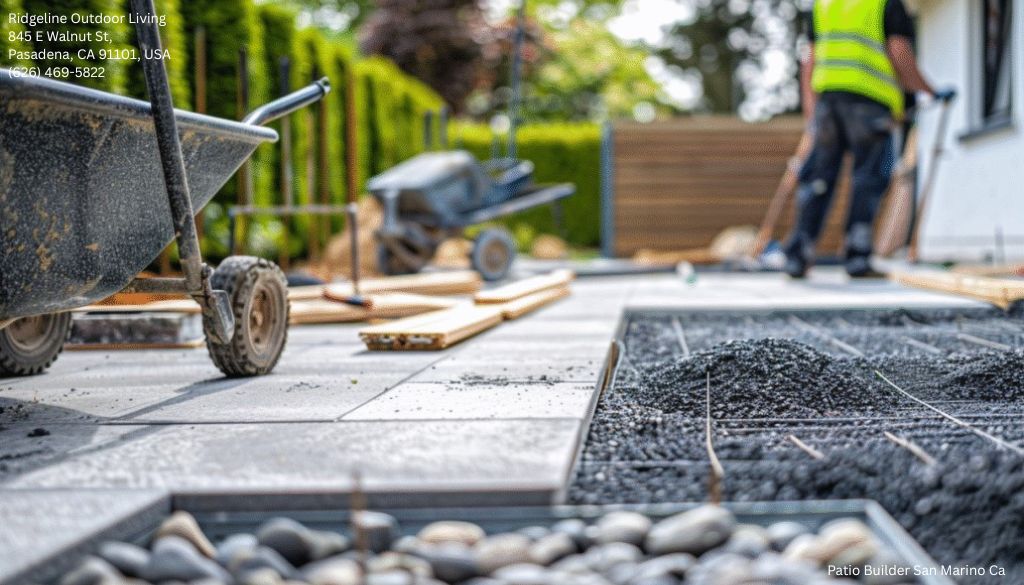
03 November 2026
Driveway Demolition and Removal Before Paver Installation: What Happens First
Presented by @shanefxdq817
If you are planning to replace an aging slab or worn-out asphalt with paver driveways, the part that matters most is not the color blend, the border pattern, or even the final laying of the driveway pavers. It is the work that happens before a single paver touches the ground.
That is where good projects separate themselves from expensive disappointments.
Homeowners often picture paver driveway installation as a surface upgrade. In practice, it is a ground-up rebuild. When a driveway fails, the visible problem is almost never just the top layer. Cracks, heaving, puddles, rutting, and uneven sections usually point to deeper issues in drainage, base preparation, or old material that should never have been left in place. If you want professionally installed driveways that stay level under vehicle traffic, demolition and removal come first, and they come with more planning than most people expect.
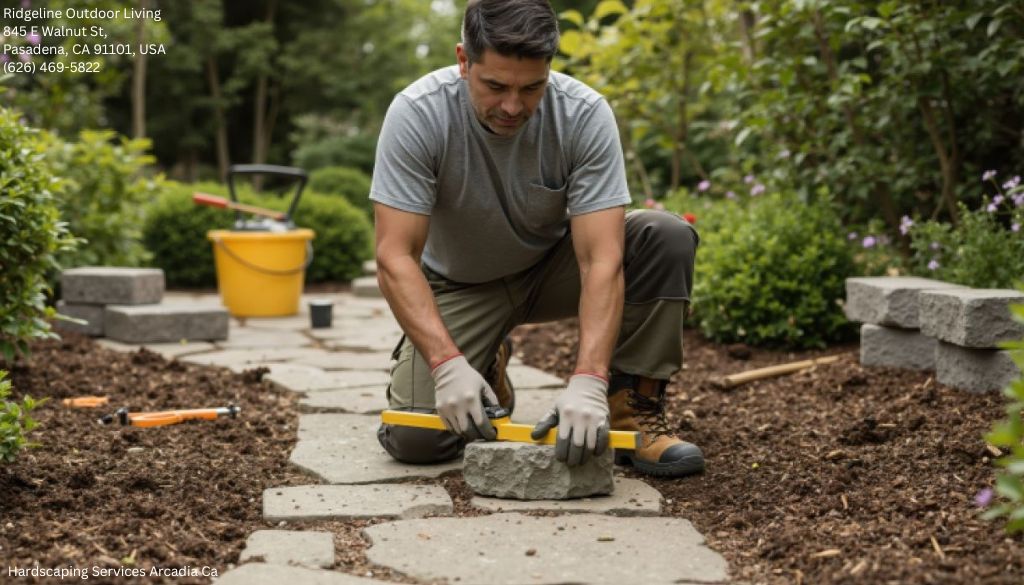
I have seen beautiful custom paver driveways undermined by one shortcut at the beginning. A contractor leaves behind broken concrete chunks to save on hauling. Another installs over a weak edge where the old asphalt feathered into dirt. Six months later, the homeowner sees settling near the garage or loose edges near the street. The pavers get blamed, but the real failure happened during demolition.
Why the old driveway cannot be treated like a minor obstacle
Old driveway replacement is rarely as simple as pulling up the surface and starting over. Existing driveways have history. Maybe the original slab was poured too thin. Maybe ridgelineoutdoorliving.com paver driveway services pasadena tree roots lifted one side. Maybe water has been running toward the house for years. Maybe an apron replacement was patched badly decades ago. Every one of those conditions affects the driveway paver installation process.
For residential driveway paving, demolition is not just removal. It is investigation. Once the old material comes out, residential paving contractors can finally see what they are working with. They can assess the paving contractors near me driveway subgrade preparation needs, identify weak soil, confirm the driveway excavation depth, and make decisions about drainage before new driveway construction begins.
That matters even more in Southern California, where homes in Pasadena and across the San Gabriel Valley often have a mix of older hardscape, mature landscaping, sloped lots, and drainage constraints. A flat-looking driveway can still have subtle runoff issues. A stable-looking slab can hide voids underneath. Warm climates also create their own wear patterns. Expansion, surface brittleness, and long-term sun exposure all affect old concrete and asphalt differently.
The first visit should look more like diagnosis than sales
A serious paver driveway contractor does not begin by handing you a catalog of driveway paver color options. The first conversation should focus on the existing site.
They should ask how water behaves during heavy rain. They should look at the garage threshold, the sidewalk connection, and the street apron. They should measure grade. They should note nearby retaining walls, utility covers, irrigation lines, and tree roots. If you are planning driveway widening with pavers or driveway extension paving, they should also study how the new footprint changes runoff and load paths.
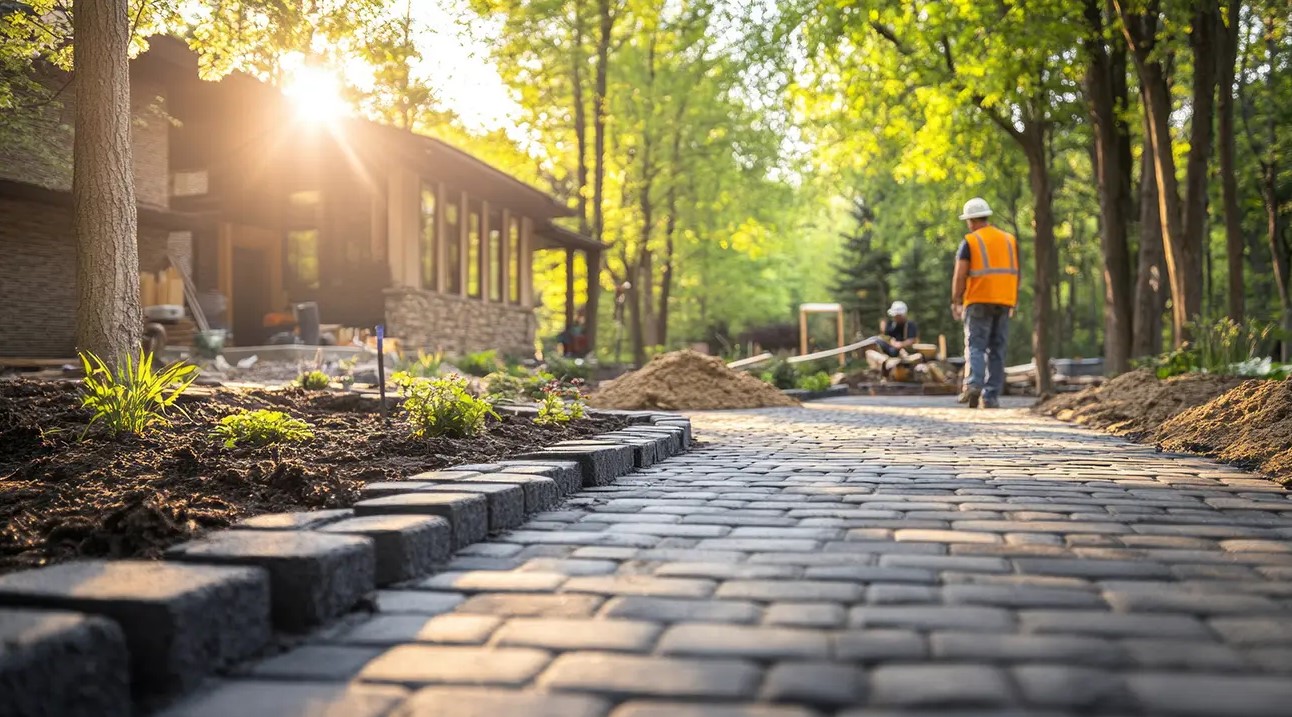
On a well-run site visit, the crew or estimator is usually trying to answer a few basic questions:
paver driveway resources- What is the existing surface made of, concrete, asphalt, mixed patchwork, or an older paver system?
- How deep must demolition go to reach stable material for paver driveway base preparation?
- Where will water go once the new surface is installed?
- Are there soft spots, root conflicts, or signs of subgrade failure?
- Does the project need full replacement, or are there limited areas where sound material can remain?
Those answers drive cost, timeline, and long-term performance. They also determine whether the right approach is full driveway demolition and removal, selective reconstruction, or in rare cases, a paver driveway retrofit over an existing concrete base. That last option gets advertised more than it should. It works only under very specific conditions, and most aging driveways do not qualify.
Demolition starts with layout, protection, and saw cuts
Before the heavy equipment arrives, good crews define the work area carefully. This part does not look dramatic, but it prevents a lot of unnecessary damage. Adjacent walkways, planters, irrigation lines, and garage slabs need protection. In tighter neighborhoods, especially with older Pasadena properties, access can be tricky. Machines may need to come through a side gate, work in sections, or stage debris without blocking a narrow street.
If the existing driveway ties into a sound sidewalk or garage slab, the crew will often saw cut the edges first. That creates a clean separation and avoids chipping or fracturing surfaces that are meant to stay. This detail matters. I have seen projects where a rushed demo crew cracked a garage apron during removal, turning a driveway replacement budget into a larger concrete repair job overnight.
The actual removal depends on the material. Concrete requires breaking and lifting. Asphalt typically comes out faster, but it can conceal soft subgrade or old aggregate that is contaminated with soil. In both cases, the goal is not just to remove what is visible. The goal is to remove enough of the old system that the new one can perform as designed.
What comes out, and what should never stay behind
A common misunderstanding is that the old driveway only needs to be removed to the bottom of the slab or asphalt mat. That is not always enough. Weak base material, mixed rubble, buried organic matter, and saturated soil can all sabotage the new work.
For paver driveway site preparation, crews often need to over-excavate beyond the old surface depth. The amount depends on soil conditions, vehicle use, paver thickness, and the overall driveway paver installation requirements. A passenger-car driveway may need a different section than one used by heavier vehicles, work trucks, or repeated turning movements.
Vehicle rated driveway pavers and heavy duty driveway pavers can handle impressive loads, but only if the structure below them matches the demand. Paver compressive strength helps, yet strength at the surface cannot compensate for bad soil. If the subgrade pumps under compaction or stays wet, the right fix is usually deeper excavation, stabilization, or better drainage, not wishful thinking.
This is the stage where experienced contractors earn their keep. They know when a little extra removal saves a lot of future repair cost. They know the difference between compactable base and debris that simply takes up space. They also know that leaving behind isolated islands of old concrete can create differential settling later, especially where tires track in and out of the garage.
Excavation depth is not a guess
Homeowners frequently ask how deep a driveway should be excavated before interlocking paver installation. There is no single number that fits every property, but there are sensible ranges. For many residential paving installations, excavation may land somewhere around 8 to 14 inches below finished grade, sometimes more depending on soil, drainage, and traffic demands. That depth has to accommodate the compacted aggregate base, the driveway paver bedding layer, and the pavers themselves while still hitting proper elevations at the garage, curb, and any adjoining hardscape.
What matters is not just the total depth. It is the composition and compaction of each layer.
A driveway built for looks alone can appear finished on day one and still fail by the first rainy season. A driveway built with disciplined base preparation feels less exciting during construction because much of the cost disappears below the surface. That hidden investment is exactly what gives paver driveway durability its reputation.
In Southern California driveway design, drainage and slope deserve special attention. Even where freeze-thaw is not the main enemy, water still is. Water pooling on driveway surfaces softens weak spots, washes fines out of joints, and contributes to edge movement. If the driveway slopes toward the house or sits against planters, the drainage design has to be resolved before base placement starts.
After demolition, the real construction begins underground
Once the old materials are hauled away, the site enters the most important phase of the driveway paver installation timeline. This is where the future of the driveway gets decided.
The exposed soil must be evaluated and compacted. If it is unstable, it may need undercutting and replacement. If roots are present, the solution depends on species, size, and location. Cutting every root without judgment can harm a mature tree. Ignoring root pressure can ruin the new surface. This is where trade-offs matter, and good contractors talk through them instead of pretending every site is simple.
After subgrade work comes the compacted aggregate base. For durable driveway surfaces, this is not random gravel. It is specified driveway base material placed in lifts and compacted thoroughly. The thickness varies by design, but the principle stays the same. The base spreads loads, resists movement, and supports long-term paver driveway leveling. Shortchanging it is one of the most common paver driveway installation mistakes in residential driveway reconstruction.
Then comes final grading and drainage shaping. If the plans include driveway drainage channels, permeable paver base layers, or runoff control features, they need to be integrated at this stage. By the time the bedding sand goes down, most of the structural and water-management decisions should already be locked in.
Drainage is not a side issue, it is half the job
People often focus on pattern and material selection, but paver driveway drainage deserves equal billing. Decorative driveway paving can only stay attractive if water is managed correctly.
On some homes, the answer is straightforward surface slope. On others, especially those with long runs, low spots, or garage floors close to street elevation, crews may need trench drains, channel drains, or subsurface drainage installation. Permeable paver driveway systems add another option. They can work well when site conditions, local rules, and soil infiltration rates line up, but they are not automatic answers for every property.
I remember a project where the homeowner wanted large format driveway paving stones with crisp contemporary lines. The site looked simple at first glance. Once demolition exposed the old build-up, the crew found that the original concrete had been masking a shallow basin. Water had nowhere to go except toward the garage. Had they ignored it and installed standard concrete paver driveways over the same shape, the owner would have been battling puddles every storm. Instead, the contractor regraded the sub-base, added a discreet channel drain, and adjusted the finished elevations. The final result looked clean and minimal, but the real success was invisible.
That is the pattern with good driveway paving solutions. The beauty sits on top of invisible discipline.
When can a driveway be paved over concrete?
This question comes up constantly, especially when homeowners want to save on driveway excavation costs. Yes, pavers can sometimes be installed over existing concrete, but the conditions must be right. The slab must be structurally sound, properly sloped, and free of major cracking, settlement, and drainage problems. Even then, finished height can create trouble at garage doors, walkways, and thresholds.
In my experience, too many old driveways fail those tests. If you are already dealing with cracked concrete driveway replacement, water intrusion, settlement, or grade issues, paving over concrete often delays the real fix. It can also trap problems underneath a more expensive surface. That is why full driveway demolition and removal is usually the better path when the goal is long-term value.
For homeowners comparing paver driveway versus concrete cost or paver driveway versus asphalt cost, this is the part that needs honest framing. A paver installation may cost more upfront than a basic replacement slab, but if it starts with proper site preparation and drainage correction, it often delivers stronger lifecycle value. Repairs are more localized, appearance holds up better, and the finished driveway can be a meaningful curb appeal upgrade.
The early warning signs of a contractor who may skip the hard part
You can learn a lot from the estimate and the conversation around demolition. If the contractor rushes past excavation, drainage, or base details, take that seriously.
Watch for these red flags:
- They cannot explain the planned excavation depth or what determines it.
- They talk mainly about paver style but almost nothing about subgrade and drainage.
- They promise installation over the old driveway without a clear structural reason.
- They provide a low price that seems to ignore hauling, disposal, or base material.
- They avoid discussing compaction methods, edge restraints, or joint filling.
A solid bid for paver driveway contractors should address demolition scope, haul-off, base preparation, drainage assumptions, and the materials used below the pavers. If it does not, the cheaper number can become the more expensive choice.
What homeowners should expect during the demolition phase
The demolition portion of a driveway replacement process is noisy, dusty, and fast compared with the rest of the build. On a modest residential driveway, removal can often be completed in a day or two, depending on access and material thickness. If the property has poor access, extensive tree roots, or hidden utility conflicts, it may take longer.
After demo, the site often looks worse than homeowners expect. That is normal. The neat old driveway is gone, the subgrade is exposed, and the footprint may look oversized or rough. This is the point where trust in the process matters. The next steps, grading, base placement, compaction, screeding, interlocking paver installation, edge restraints, and paver driveway compaction, build the order back in.
If you are living in the home during the work, ask in advance about access to the garage, parking alternatives, and how the crew will manage dust and debris. In Pasadena driveway renovation projects, where homes can sit close to neighbors and mature landscaping, logistics deserve a clear plan.
Why the first phase shapes everything that follows
The strongest herringbone driveway paving pattern, the best slip resistant driveway pavers, and paver driveway services pasadena the most attractive driveway paver color combinations cannot overcome poor demolition and preparation. The structure under the surface decides whether the finished driveway stays level, drains well, and supports daily vehicle traffic year after year.
That is why the smartest money in a paver driveway installation cost breakdown often goes below grade. You are paying for the removal of bad material, the correction of old mistakes, the shaping of runoff, and the construction of a stable platform. The pavers are the visible reward, but the demolition phase is where the future performance is won or lost.
Homeowners shopping for affordable driveway paving options sometimes feel tempted to trim the early scope. Skip full removal. Keep part of the old base. Avoid haul-off. Reduce aggregate depth. Those savings are usually false economy. Sunken driveway pavers, shifting edges, joint erosion, and drainage complaints cost more to fix than to prevent.
If your goal is a driveway that looks better than concrete, repairs more easily than asphalt, and adds real long-term value to the property, start with the part nobody brags about on installation day. Start with proper demolition, honest excavation, and uncompromising base work. That is how custom paver driveways earn their reputation. Not by what goes on first, but by what gets taken out first, and how thoroughly the ground is rebuilt before the beauty shows.